Philosophy is not just about studying ancient texts—it’s about questioning life, existence, and reality itself.
Philosophical riddles challenge your mind, making you think critically and creatively while offering a fun way to explore deep concepts.
Whether you’re pondering the nature of truth, the meaning of life, or the limits of knowledge, these riddles push you to question assumptions and sharpen your reasoning skills.
In this article, you’ll discover over 150 unique and thought-provoking philosophical riddles, carefully crafted to entertain and stimulate your intellect.
Perfect for educators, students, or anyone who loves a mental workout, these riddles also double as conversation starters.
So, get ready to twist your mind, laugh, and reflect with our collection of the best philosophical riddles out there.
Benefits of Reading Philosophical Riddles
Reading philosophical riddles is more than just a pastime—it’s a mental workout. Here’s why you should include them in your daily routine:
- Boosts critical thinking: Riddles encourage you to examine problems from multiple angles.
- Enhances problem-solving skills: They teach creative ways to approach challenges.
- Encourages deep reflection: You explore abstract concepts like reality, truth, and morality.
- Improves memory and focus: Concentrating on tricky riddles keeps your brain sharp.
- Fun learning tool: They are entertaining while being intellectually stimulating.
- Promotes conversation: Sharing riddles sparks debates and discussions with friends or family.
Best Picks
Here are 10 of our top philosophical riddles to get you started:
- If a tree falls in a forest and no one is around to hear it, does it make a sound?
- What is real: what you see or what you imagine?
- Can you truly know anything, or is everything just belief?
- If time is infinite, how can you ever be late?
- Does free will exist, or are we just following fate?
- Can you step into the same river twice?
- If a person changes completely, are they still the same person?
- What does it mean to live a good life?
- Is happiness a choice or a circumstance?
- If nothing exists outside your mind, what is reality?
1. Existence and Reality Riddles
- Can something exist if it is never observed?
- If a shadow falls, does the light really exist?
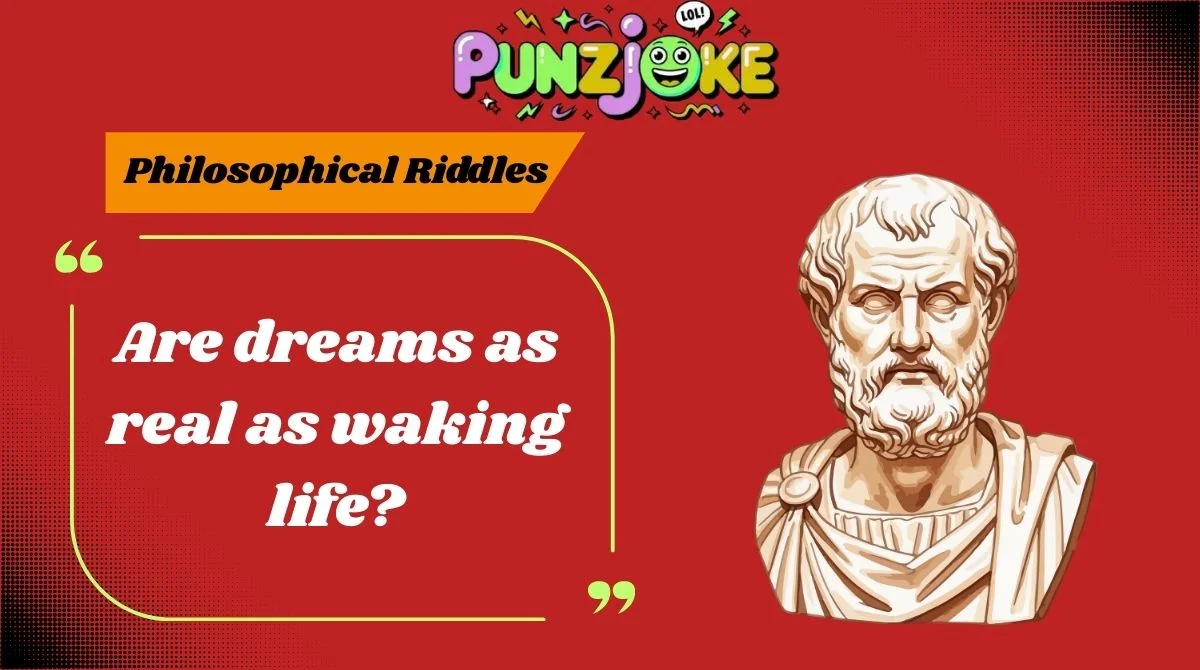
- Are dreams as real as waking life?
- Can you touch nothing?
- Is the world outside your perception the same as inside?
- Does the universe care about your thoughts?
- If a planet exists without life, does it matter?
- Are numbers real or just human ideas?
- Can reality be measured, or only interpreted?
- If you erase all memories, is the person still you?
- Can a thought exist without a thinker?
- Does the past exist if no one remembers it?
- Can something be partially real?
- If reality is shared, can it ever be private?
- Is illusion part of reality or separate from it?
- Can existence itself exist without observation?
2. Ethics and Morality Riddles
- Is it wrong to lie to protect someone?
- Can an immoral act ever be justified?
- Do consequences matter more than intentions?
- Is it better to do nothing than to harm?
- Can a society exist without rules?
- Are morals universal or culturally defined?
- If everyone is selfish, is anything truly moral?
- Can forgiveness erase wrongdoing?
- Does morality require belief in a higher power?
- If an action feels right, is it right?
- Can you be ethical without empathy?
- Is stealing always wrong, even in survival?
- Are humans naturally good or evil?
- Can harming one person ever save many?
- Do animals have moral rights?
- Is there such a thing as objective justice?
3. Knowledge and Truth Riddles
- Can you ever know the whole truth?
- If two people perceive something differently, which is correct?
- Is ignorance bliss or a curse?
- Can knowledge exist without questioning?
- Does language limit understanding?
- Can science explain everything?
- Are memories trustworthy evidence?
- Is truth absolute or relative?
- Can opinions ever equal facts?
- Is believing something enough to make it true?
- Can you prove anything beyond doubt?
- Does knowing more make life better?
- Are beliefs more powerful than facts?
- Can a lie become truth over time?
- Is understanding more important than memorizing?
- Does questioning weaken or strengthen faith?
4. Consciousness and Mind Riddles
- Is your mind separate from your body?
- Can thoughts exist without language?
- If you sleep, is part of you still awake?
- Can machines ever be conscious?
- Are emotions real or chemical illusions?
- If you dream, is that another reality?
- Can consciousness exist without time?
- Is your mind the same as your personality?
- Can memories define who you are?
- Does self-awareness make you unique?
- Can a collective mind exist?
- Are animals aware of themselves?
- Is free will just an illusion of consciousness?
- Does thinking change reality?
- Can you observe your own mind objectively?
- If the mind is empty, is it peaceful or void?
5. Life and Death Riddles
- What makes life meaningful?
- Is death the end or a transition?
- Can life exist without death?
- If you forget everything, did life happen?
- Is immortality desirable or cursed?
- Does life need purpose to matter?
- Can living fully mean avoiding regret?
- Are endings necessary for beginnings?
- Is dying slowly worse than living poorly?
- Do people exist after being remembered?
- Can you cheat death?
- Is birth or death more mysterious?
- Does life create meaning or reveal it?
- Are humans aware of life, or just existing?
- Can life be measured by time or experience?
- Does the fear of death make life more alive?
6. Paradoxes and Mind Twisters
- Can a statement be both true and false?
- If a barber shaves everyone who doesn’t shave themselves, who shaves him?
- Can you know nothing and still learn?
- If you travel back in time, can you change the past?
- Is a paradox proof or a problem?
- Can infinity be counted?
- Can a circle have corners?
- If the universe is infinite, is anything finite?
- Can contradiction exist without truth?
- If you create a copy of yourself, who is real?
- Is the ship that is rebuilt piece by piece still the same ship?
- Can a lie reveal truth?
- Is silence louder than noise?
- Can logic prove illogic?
- Are you free if you know all outcomes?
- Can time flow backward and still exist?
7. Knowledge Puzzles for Students
- What is more valuable than wisdom but costs nothing?
- Can learning ever be complete?
- Are teachers as much students as learners?
- Can curiosity be harmful?
- Is memorizing the same as knowing?
- Can knowledge exist without questions?
- Is understanding easier than explanation?
- Can one idea change the world?
- Is intelligence measured by answers or questions?
- Does reading increase wisdom or confusion?
- Can a fact be dangerous?
- Are mistakes more important than successes?
- Can theory exist without practice?
- Is knowledge power or responsibility?
- Can knowledge exist without sharing?
- Does education create freedom or conformity?
8. Love and Human Relationships Riddles
- Is love a choice or a feeling?
- Can you truly know another person?
- Does friendship require honesty?
- Can love exist without desire?
- Are relationships defined by connection or time?
- Can people change without losing love?
- Is loyalty a duty or a choice?
- Can forgiveness restore trust?
- Are humans inherently social?
- Can distance strengthen or weaken bonds?
- Is happiness shared or individual?
- Can admiration exist without love?
- Do promises define relationships?
- Can you be alone and not lonely?
- Is empathy learned or instinctive?
- Are humans capable of unconditional love?
9. Time and Change Riddles
- Is time real or imagined?
- Can the past ever be changed?
- Does change mean improvement?
- If everything changes, does anything remain?
- Is the future predetermined?
- Can you stop time?
- Is aging a blessing or curse?
- Can moments exist independently of memory?
- Does progress equal happiness?
- Are cycles inevitable or optional?
- Can you experience time without noticing it?
- Does time heal all wounds?
- Can something eternal be experienced?
- Is nostalgia real or imagined?
- Does change define identity?
- Can the present exist without past and future?
10. Reality and Perception Riddles
- Is seeing believing?
- Can you perceive without bias?
- Does perception shape reality or vice versa?
- Can illusions feel real?
- Are colors real or just interpretation?
- Is beauty objective or subjective?
- Can memories lie?
- Does language limit thought?
- Is knowledge perception or comprehension?
- Can dreams affect reality?
- Are senses trustworthy?
- Can perception be shared?
- Is truth hidden in perception?
- Can reality exist without consciousness?
- Are feelings more real than facts?
- Can perspective change reality itself?
FAQs
What is a philosophical riddle?
A philosophical riddle is a thought-provoking puzzle that explores ideas about existence, knowledge, morality, and reality.
How do philosophical riddles help the mind?
They improve critical thinking, problem-solving, creativity, and reflection, stimulating both logic and imagination.
Can philosophical riddles be used in education?
Yes! Teachers use them to spark discussions, teach reasoning skills, and engage students in abstract thinking.
Are these riddles suitable for all ages?
Most are suitable for teens and adults; some may require guidance to fully understand abstract concepts.
How can I solve philosophical riddles effectively?
Think critically, consider multiple perspectives, question assumptions, and embrace ambiguity. There’s often no single “correct” answer.
Conclusion
Philosophical riddles are more than just entertainment—they are mental exercises that sharpen your mind, stimulate creativity, and spark deep reflection.
With over 150 unique riddles covering existence, morality, consciousness, time, and perception, you now have a rich collection to explore.
Whether used in education, social settings, or personal growth, these riddles challenge assumptions, provoke discussion, and cultivate curiosity.
Dive in, enjoy the mental twists, and embrace the wonder of questioning life itself.
Your journey through these mind-bending puzzles is just the beginning of a lifelong adventure in critical thinking and philosophical inquiry.